 By Yasir Hafeez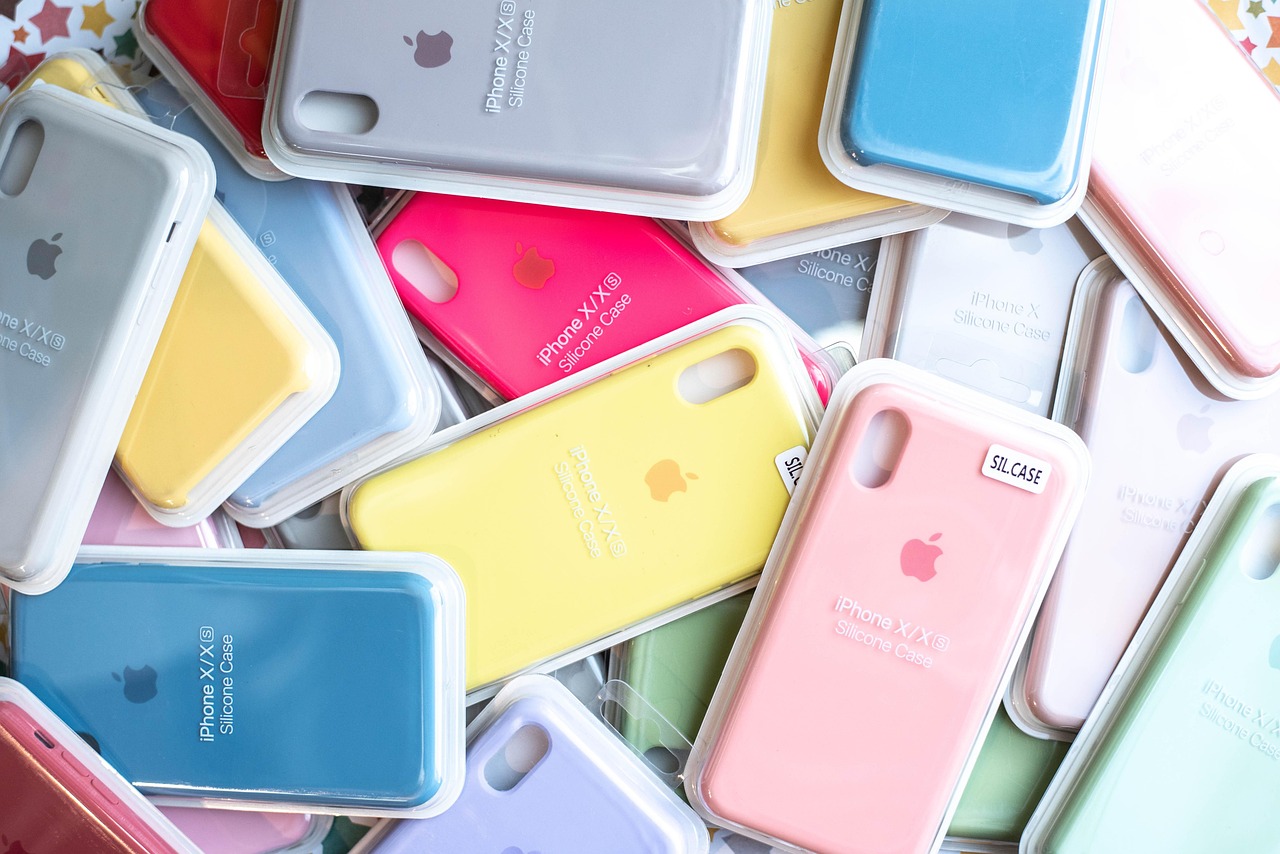
When Apple releases a new iPhone model, the immediate question for many users isn’t just about the device itself, but how to best protect their investment. For the iPhone 16e, launched earlier in 2026, selecting the right iPhone 16e case is more critical than ever, balancing latest technology with practical, everyday durability.
Last updated: July 6, 2026
Most readers searching for an iPhone 16e case want to ensure their valuable new phone is safeguarded against drops, scratches, and daily wear, while still maintaining its aesthetic and functionality. The ‘e’ designation on the iPhone 16e, signifying its focus on essential features and streamlined design, presents unique considerations for case manufacturers and consumers alike. This guide will walk you through everything you need to know about choosing the perfect iPhone 16e case in July 2026.
Key Takeaways
- The iPhone 16e’s ‘e’ designation implies a focus on essential features and potentially a slightly modified design, making specific case compatibility crucial.
- Material science has advanced, offering cases made from durable polycarbonate, flexible TPU, shock-absorbing silicone, and premium aramid fiber.
- MagSafe compatibility is a non-negotiable feature for most 2026 iPhone 16e cases, ensuring smooth integration with charging and accessories.
- Consider a case’s drop protection rating, often adhering to MIL-STD-810G standards, to match your lifestyle and usage habits.
- Sustainability is a growing trend, with many brands offering eco-friendly iPhone 16e cases made from recycled or biodegradable materials.
Decoding the iPhone 16e: What Does the ‘e’ Mean for Your Case Choice in 2026?
The ‘e’ in iPhone 16e, as of its 2026 release, signals Apple’s strategic move towards an ‘essential’ or ‘economy’ model, often featuring a slightly more strong build or simplified design compared to its Pro counterparts. This focus on core functionality can influence case design, sometimes leading to slightly different button placements, camera cutouts, or even a marginally thicker profile to accommodate larger batteries or more durable internal components. Compatibility is paramount; a case designed for the standard iPhone 16 may not perfectly fit the 16e.
For example, some early third-party cases for the iPhone 16 were found to have slightly misaligned button covers for the 16e’s redesigned volume rocker. Always ensure the iPhone 16e case explicitly states compatibility with the ‘e’ model. This specificity prevents common issues like muffled audio or unresponsive buttons, which can be frustrating during daily use.
Understanding this distinction helps users avoid purchasing ill-fitting cases that compromise protection and usability. Always verify the model on the packaging or product description.
Essential Protection: Understanding Drop Standards and Materials for iPhone 16e Cases
The primary role of any iPhone 16e case is protection. In 2026, manufacturers continue to innovate with materials and design to offer superior drop resistance. The most common standard is MIL-STD-810G, a military-grade certification that indicates a device or accessory can withstand drops from a certain height, typically 6–10 feet, onto hard surfaces.
Case materials vary widely: Thermoplastic Polyurethane (TPU) offers flexibility and shock absorption, ideal for slim cases. Polycarbonate (PC) provides rigid, scratch-resistant protection, often used for the backplate of hybrid cases. Silicone cases offer excellent grip and basic drop protection, while newer materials like aramid fiber (often branded as Kevlar) provide extreme durability with minimal bulk.
For instance, a rugged OtterBox Defender series case for the iPhone 16e might combine multiple layers of PC and TPU to achieve superior impact dispersion, often exceeding MIL-STD-810G requirements by allowing drops from 12+ feet. In contrast, a thin silicone case might only protect against minor bumps and scratches. Choosing the right material depends heavily on your lifestyle; a construction worker needs more strong protection than an office worker.
MagSafe Compatibility: A Must-Have Feature for iPhone 16e Accessories
MagSafe technology, a staple in iPhones since 2020, remains a critical feature for the iPhone 16e. A truly functional iPhone 16e case in 2026 must be MagSafe compatible, featuring a precisely integrated magnetic ring that aligns perfectly with the phone’s internal magnets. Iphone 16e case allows for effortless attachment of MagSafe chargers, wallets, car mounts, and other accessories.
Without proper MagSafe compatibility, wireless charging can be inconsistent, slow, or even fail entirely. Accessories like magnetic wallets may not securely attach, leading to loss. Brands like CASETiFY and Speck offer a wide range of MagSafe-compatible iPhone 16e cases, ensuring strong magnetic adhesion and efficient power transfer.
When selecting a case, always look for the MagSafe logo or explicit confirmation of compatibility. Some cheaper cases may claim MagSafe compatibility but feature weaker magnets, leading to accessories easily dislodging. A quick test with a MagSafe charger should confirm the strength and alignment.
Beyond Basic: Exploring Advanced Features and Ergonomics in 2026 iPhone 16e Cases
Modern iPhone 16e cases offer more than just protection. Many now integrate advanced features and prioritize ergonomic design for an enhanced user experience. These can include built-in kickstands for media viewing, integrated cardholders for minimalist carry, or even antimicrobial coatings to reduce germ buildup.
Ergonomics play a significant role in daily comfort. Look for cases with textured grips that prevent accidental slips, especially for larger phones like the 16e. Raised bezels around the screen and camera module are also crucial, offering additional protection when the phone is placed face down or dropped. Some cases even feature enhanced button covers that provide a satisfying tactile click, mimicking the phone’s native buttons.
For example, some wallet-style iPhone 16e cases from brands like Spigen or Nomad offer discreet card slots without adding excessive bulk, providing convenience for quick errands. Others feature precision-engineered cutouts that ensure full access to ports and speakers without obstruction. These thoughtful design elements elevate a case from a simple protector to a functional extension of your device.
Sustainable Choices: Eco-Friendly iPhone 16e Cases for the Conscious Consumer
As discussions about electronic waste and environmental impact continue to grow, the market for sustainable iPhone 16e cases has expanded significantly in 2026. Many brands are now offering products made from recycled plastics, plant-based polymers, or even fully compostable materials. This aligns well with the ethos of informed consumption.
Choosing an eco-friendly case doesn’t mean compromising on protection. Companies like Pela Case offer fully compostable options, while others integrate significant percentages of post-consumer recycled content into their durable designs. According to a 2026 report by the Ellen MacArthur Foundation on circular economy trends, the demand for recycled content in consumer electronics accessories is projected to increase by 25% by 2027.
Look for certifications from organizations like the Global Recycled Standard (GRS) or products that clearly state their material composition and end-of-life disposal instructions. Supporting these brands contributes to reducing your carbon footprint and promoting a more circular economy in tech accessories.
Choosing Your iPhone 16e Case: A Practical Buying Guide for 2026
Navigating the vast array of iPhone 16e cases can be daunting. Here’s a step-by-step guide to help you make an informed decision:
- Assess Your Protection Needs: Consider your daily activities. Do you work in a rugged environment, or are you primarily desk-bound? This dictates whether you need a heavy-duty, multi-layer case or a slim, minimalist cover.
- Prioritize Materials: Decide between flexible TPU, rigid polycarbonate, grippy silicone, or premium aramid fiber based on desired fee, protection, and aesthetic.
- Verify MagSafe Compatibility: Ensure the case explicitly supports MagSafe for smooth wireless charging and accessory attachment.
- Consider Extra Features: Do you need a kickstand, cardholder, or screen protector integration? These add convenience but can increase bulk.
- Evaluate Design and Aesthetics: While protection is key, the case should also reflect your personal style. Many brands offer customizable options.
- Set a Budget: iPhone 16e cases range from basic options around $15-$25 to premium, feature-rich models costing $60-$80 or more.
- Read Reviews: Check user reviews on retailer sites like Best Buy or Walmart to gauge real-world performance, durability, and fit.
Real Examples of iPhone 16e Case Innovation
In July 2026, the market showcases a blend of established brands and innovative newcomers. OtterBox continues to dominate the rugged protection segment with its Defender Series Pro XT for the iPhone 16e, offering multi-layer defense and integrated MagSafe. This case, often priced around $70-$80, is a prime example of maximum drop and dust protection without completely sacrificing MagSafe functionality.
On the other end, Apple’s own Silicone and Clear Cases for the iPhone 16e, typically retailing for $49.99, provide a premium fit, vibrant color options, and strong MagSafe integration. These are ideal for users who prefer a sleek profile with moderate protection. For those seeking a balance of style and sustainability, CASETiFY’s Impact Cases for the iPhone 16e, starting at approximately $50, often feature recycled materials and a wide range of customizable designs, showcasing how personal expression and environmental consciousness can coexist in tech accessories.
Comparison of Popular iPhone 16e Case Materials
| Material Type | Pros | Cons | Best Use Case |
|---|---|---|---|
| TPU (Thermoplastic Polyurethane) | Flexible, excellent shock absorption, good grip, affordable. | Can yellow over time, less rigid than PC, moderate scratch resistance. | Everyday protection, slim profiles, clear cases. |
| PC (Polycarbonate) | Rigid, high impact resistance, good scratch resistance, lightweight. | Less shock-absorbent than TPU, can crack under extreme stress. | Backplates of hybrid cases, hard shell protection. |
| Silicone | Soft touch, excellent grip, good shock absorption, vibrant colors. | Attracts lint and dust, can be bulky, less durable against sharp objects. | Basic drop protection, comfortable fee, aesthetic appeal. |
| Aramid Fiber | Extremely lightweight, very strong, thin profile, premium feel. | Higher cost, limited shock absorption compared to multi-layer cases. | Minimalist protection, premium look, users prioritizing thinness. |
Pros of Investing in a High-Quality iPhone 16e Case
- Enhanced Durability: Superior materials and design protect against drops, impacts, and scratches, significantly extending your phone’s lifespan.
- Preserved Resale Value: A well-protected phone with minimal cosmetic damage retains more value if you decide to upgrade in the future.
- Optimized Functionality: Precise cutouts and MagSafe compatibility ensure full access to ports, buttons, and accessories without hindrance.
- Personalized Style: A vast array of designs, colors, and textures allows you to express your personality while keeping your device safe.
- Improved Grip: Many cases offer textured surfaces that make the iPhone 16e easier to hold, reducing the chance of accidental drops.
Cons of Investing in a High-Quality iPhone 16e Case
- Initial Cost: Premium cases can range from $50 to $80+, representing a significant upfront investment compared to basic options.
- Added Bulk and Weight: Cases designed for maximum protection inevitably add some thickness and weight to the slim iPhone 16e.
- Potential for Discoloration: Clear or lighter-colored cases, especially those made from TPU, can yellow or show dirt over time.
- Limited Accessory Compatibility: Extremely rugged cases might make it difficult to use certain third-party screen protectors or charging docks.
- Environmental Impact: Despite advancements, even high-quality cases contribute to resource consumption, though sustainable options mitigate this.
Common Mistakes When Selecting an iPhone 16e Case
Even with ample choices, users often make common missteps when purchasing an iPhone 16e case. One frequent error is neglecting the ‘e’ designation and assuming compatibility with a standard iPhone 16 case. This can lead to misaligned ports, camera cutouts that obstruct lenses, or buttons that are difficult to press, diminishing the user experience.
Another mistake is prioritizing aesthetics over actual protection. A visually appealing case might offer minimal drop resistance, leaving your expensive device vulnerable to damage from even minor falls. Always check the drop rating and material composition. Lastly, many users overlook MagSafe compatibility, only realizing its importance when their wireless charger or magnetic wallet doesn’t work effectively. Always confirm the case has strong, integrated MagSafe magnets.
Expert Tips for Maximizing Your iPhone 16e Case Lifespan
As someone who has reviewed smartphone accessories for over a decade, I’ve seen firsthand how a little care can significantly extend the life of your iPhone 16e case. Firstly, regular cleaning is crucial. Use a soft, damp cloth with mild soap to wipe down silicone or plastic cases, avoiding harsh chemicals that can degrade materials or strip coatings. For leather cases, a specialized leather cleaner is recommended.
Secondly, proper installation and removal prevent stretching or damage. Never force your phone into or out of a rigid case. Follow the manufacturer’s instructions, typically starting with one corner and gently working your way around. Finally, consider rotating between a few cases. Iphone 16e case allows each case to ‘rest’ and helps distribute wear and tear, especially for softer materials that might show impressions over time. This approach not only extends lifespan but also offers stylistic flexibility.
Frequently Asked Questions
What does the ‘e’ in iPhone 16e stand for?
The ‘e’ in iPhone 16e, introduced in 2026, typically signifies an ‘essential’ or ‘economy’ model. It often implies a focus on core features and may have subtle design differences, such as adjusted button placements or camera bump dimensions, impacting case compatibility.
How much does an iPhone 16e case cost in 2026?
As of July 2026, iPhone 16e cases vary widely in price. Basic silicone or clear TPU cases can start around $15-$25. Mid-range options with enhanced drop protection or unique designs usually fall between $30-$60. Premium, rugged, or eco-friendly cases from top brands can cost $60-$80 or more.
What are the best materials for iPhone 16e case protection?
For strong protection, hybrid cases combining rigid polycarbonate (PC) and flexible thermoplastic polyurethane (TPU) are excellent. Aramid fiber offers a thin, strong option. Silicone provides good grip and shock absorption for everyday use, while tempered glass backplates offer a premium feel with moderate scratch resistance.
Is MagSafe compatibility essential for an iPhone 16e case?
Yes, MagSafe compatibility is highly recommended for an iPhone 16e case. It ensures smooth integration with MagSafe wireless chargers, wallets, and other accessories. Without it, you might experience slower charging, weak magnetic attachment, or complete incompatibility with MagSafe peripherals.
Can I use an iPhone 16 case on an iPhone 16e?
it’s not recommended to use a standard iPhone 16 case on an iPhone 16e. While similar, the ‘e’ model often has slight variations in dimensions, button placement, or camera cutouts that can lead to an improper fit, compromising both protection and usability. Always choose a case specifically designed for the iPhone 16e.
How do I clean my iPhone 16e case?
For most silicone, TPU, or plastic iPhone 16e cases, use a soft, damp cloth with a small amount of mild hand soap. Gently wipe the case clean and then dry it thoroughly. Avoid harsh chemicals, abrasive cleaners, or alcohol, as these can degrade the material or finish over time.
Conclusion
Choosing the right iPhone 16e case in 2026 is an informed decision that significantly impacts your device’s longevity and usability. By understanding the implications of the ‘e’ designation, prioritizing materials based on your lifestyle, and ensuring MagSafe compatibility, you can find a case that offers optimal protection without sacrificing style or functionality. Invest wisely in a quality iPhone 16e case to safeguard your technology for years to come.
Last reviewed: July 2026. Information current as of publication; pricing and product details may change.
Related read: iPhone 12 Pro in 2026: Still a Smart Buy for Value?
Editorial Note: This article was researched and written by the Be Open Source editorial team. We fact-check our content and update it regularly. For questions or corrections, contact us.
Related read: Engadget Logo 2026: A Deep Dive into Its Branding Power
Related read: Switch 2 Screen Protector: Essential Guide for 2026
Related read: Redmi Note 8 Pro in 2026: Beyond Stock Android with Open Source